
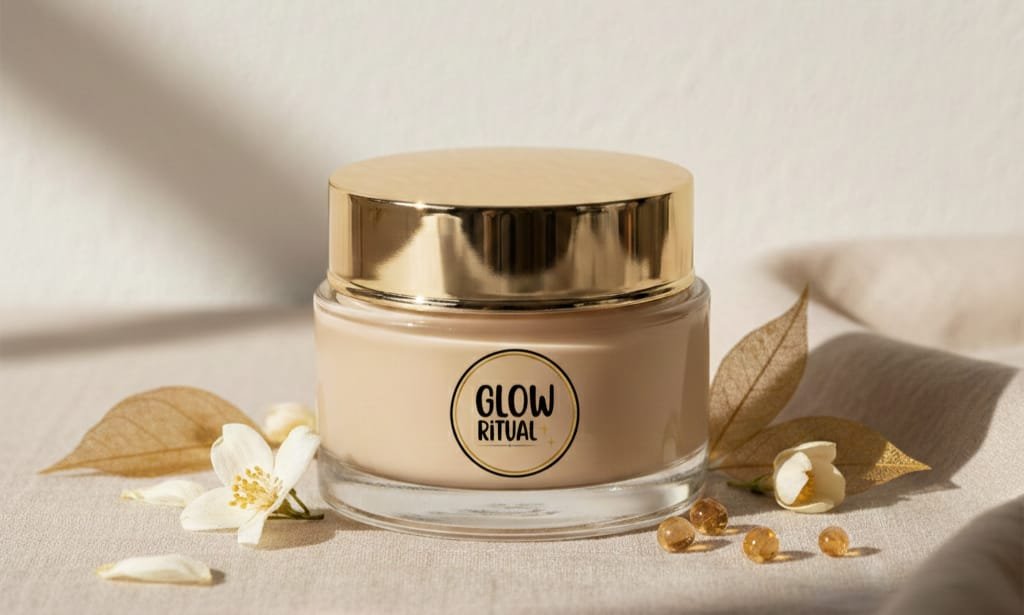
Healthy skin isn’t just about what you apply—it’s also about what you remove. Dirt, excess oil, pollution, and dead skin cells build up on the surface of your skin every day. Good Skin Care Products: Why a Face Scrub Is Essential for Smooth, Healthy Skin Over time, this buildup can make skin look dull, rough, and uneven, even if you’re using high-quality serums or moisturizers.
This is where exfoliation becomes essential. Among good skin care products, a well-formulated face scrub plays a key role in maintaining clear, smooth, and refreshed skin. Yet many people either skip exfoliation entirely or use harsh scrubs that damage the skin barrier and cause irritation.
The challenge is finding the right balance. You want a face scrub that removes dead skin cells and unclogs pores without over-scrubbing or drying out the skin. When used correctly, a gentle face scrub can improve texture, boost glow, and help other skincare products work better.
In this article, we’ll explore why face scrubs matter, who should use them, common exfoliation mistakes, and how a gentle face scrub can become an important part of a healthy skincare routine.
What Makes Exfoliation a Key Step in Skincare?
Your skin naturally sheds dead cells, but this process slows down due to factors like age, stress, pollution, and lifestyle habits. When dead skin cells don’t shed properly, they stay on the surface and cause multiple skin concerns.
Without exfoliation, you may notice:
- Dull or tired-looking skin
- Rough or uneven texture
- Clogged pores and blackheads
- Breakouts that don’t clear easily
Good skin care products focus on supporting the skin’s natural renewal cycle. A face scrub helps by gently removing dead skin cells and clearing the way for healthier, brighter skin underneath.
Good Skin Care Products: Why a Face Scrub Is Essential for Smooth, Healthy Skin
A gentle face scrub is not just about glow—it addresses several everyday skin concerns.
Dull and Uneven Skin Tone
Dead skin cells block light reflection, making skin appear flat and lifeless.
Clogged Pores and Blackheads
Oil and debris trapped in pores can lead to blackheads and whiteheads.
Mild Acne and Breakouts
When pores stay clogged, bacteria can thrive and trigger breakouts.
Rough Texture
Skin can feel bumpy or coarse without regular exfoliation.
When exfoliation is done gently and consistently, these issues become easier to manage.
What to Look for in Good Skin Care Products Like a Face Scrub
Not all scrubs are created equal. Some can be too harsh, especially for daily or weekly use.
A good face scrub should include:
- Fine, natural exfoliating particles (not sharp or jagged)
- Soothing ingredients like aloe vera or chamomile
- Skin-supporting actives such as vitamin E or mild salicylic acid
- Balanced formulation that doesn’t strip moisture
Avoid scrubs with overly large particles, high alcohol content, or strong artificial fragrances, as these can irritate the skin over time.
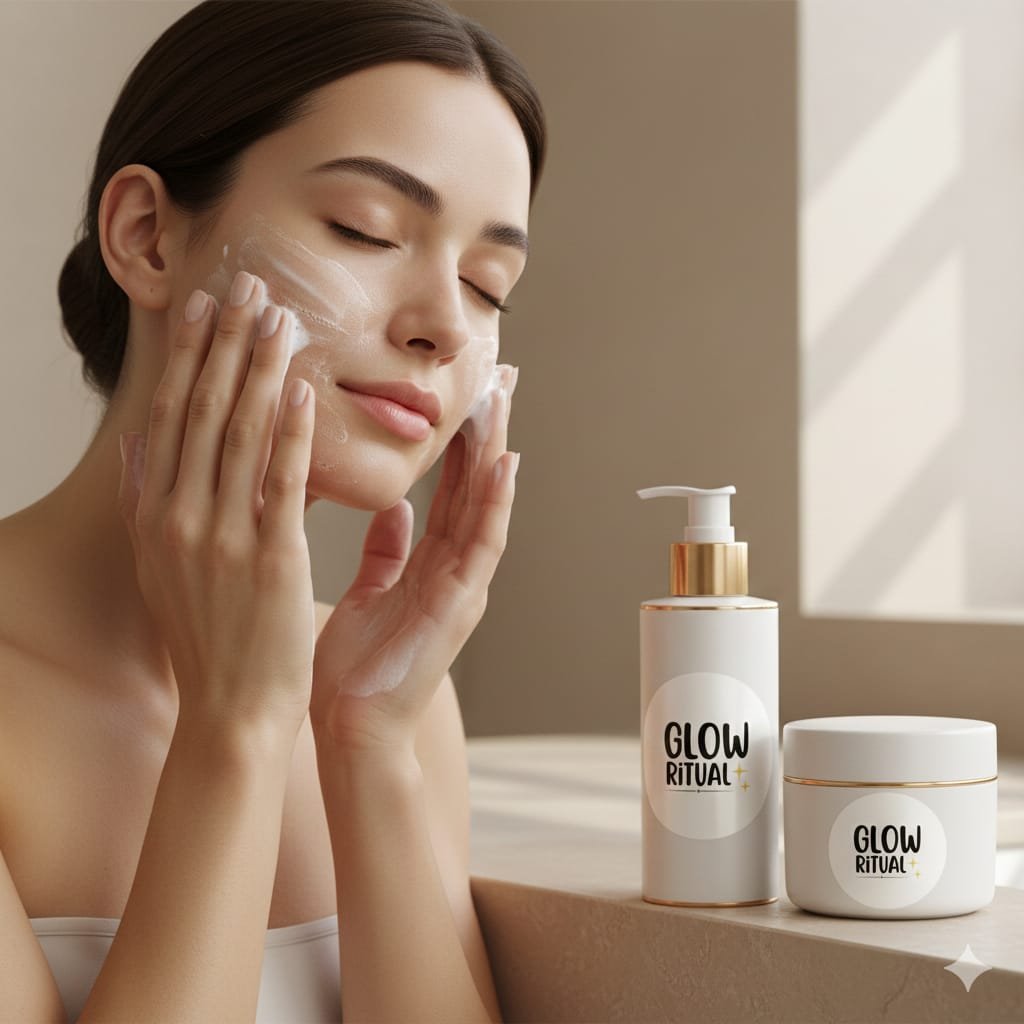
How a Gentle Face Scrub Works as a Practical Solution
A well-designed face scrub works on multiple levels to improve skin health.
Gently Removes Dead Skin Cells
Natural exfoliants help lift away dull, dead cells without damaging the skin barrier.
Unclogs Pores
Mild salicylic acid penetrates pores to loosen excess oil and debris.
Smooths Skin Texture
Regular exfoliation makes skin feel softer and more even.
Prepares Skin for Better Absorption
Once dead skin is removed, serums and moisturizers absorb more effectively.
This makes face scrubs an important supporting step among good skin care products, rather than an optional extra.
Who Should Use a Face Scrub?
A gentle face scrub is suitable for a wide range of people, especially:
- Teens and young adults dealing with oily or acne-prone skin
- Men and women with dull or uneven texture
- People exposed to pollution or outdoor environments
- Anyone looking to refresh tired-looking skin
Those with very sensitive or inflamed skin should exfoliate less frequently and always choose mild formulations.
How Often Should You Use a Face Scrub?
One of the most common exfoliation mistakes is overuse. More is not better when it comes to scrubbing.
General guidelines:
- Oily or combination skin: 2–3 times a week
- Normal skin: 1–2 times a week
- Dry or sensitive skin: Once a week
Listening to your skin is key. Redness, tightness, or stinging are signs to reduce frequency.
How to Use a Face Scrub the Right Way
Using a scrub correctly makes all the difference.
Follow these simple steps:
- Cleanse your face with a gentle face wash
- Apply a small amount of scrub to damp skin
- Massage lightly in circular motions for 20–30 seconds
- Avoid the eye area
- Rinse thoroughly and pat dry
- Follow with moisturizer and sunscreen (if daytime)
Gentle pressure is enough—scrubbing harder does not improve results.
Face Scrub vs. Face Wash: Understanding the Difference
Many people confuse cleansing with exfoliating, but they serve different purposes.
- Face wash removes surface dirt, oil, and impurities
- Face scrub removes dead skin cells and clears clogged pores
Both are important. When used together correctly, they form a strong foundation for any skincare routine.
Why Exfoliation Improves Overall Skin Health
Regular exfoliation doesn’t just improve appearance—it supports long-term skin health.
Benefits include:
- Brighter, more even-looking skin
- Reduced appearance of blackheads
- Improved skin smoothness
- Better performance of other skincare products
This is why dermatologists often include exfoliation as part of a balanced skincare routine using good skin care products.
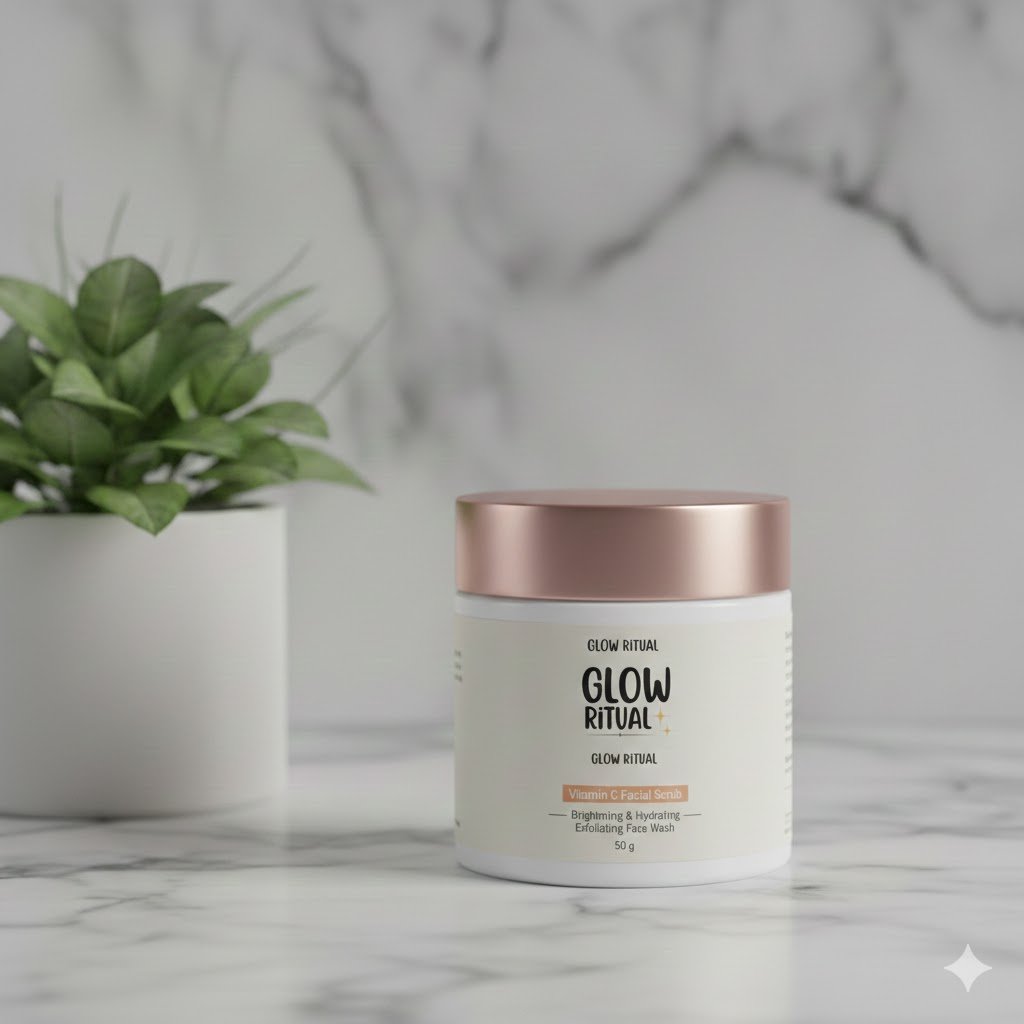
Small Lifestyle Habits That Enhance Exfoliation Results
To get the most from your face scrub, support your skin with healthy habits:
- Stay hydrated throughout the day
- Remove makeup before sleeping
- Use sunscreen daily
- Avoid touching your face frequently
Skincare works best when combined with consistent self-care.